We supply iron, steel and stainless castings and forged components from audited foundries and forges in India, machined to your drawing, certified, and delivered across Australia. Because casting and forging are tooling-driven processes, they are often where the largest and most durable cost savings sit.
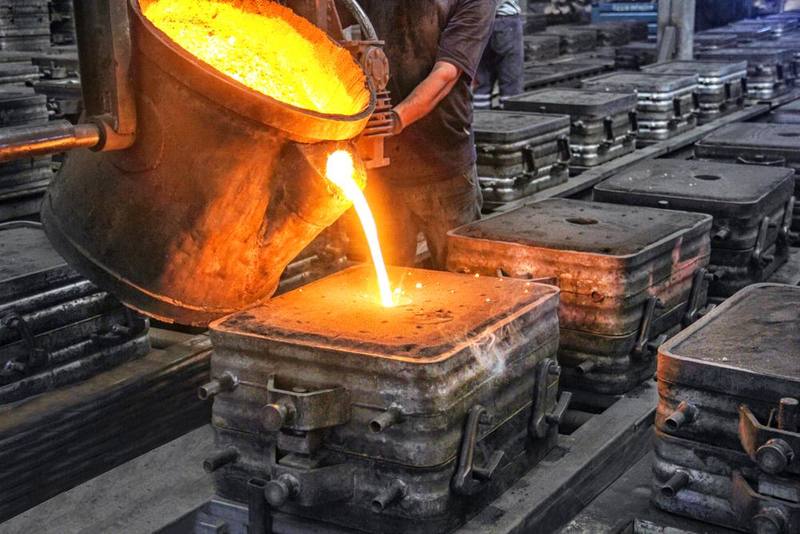
| Sand casting | Green sand and resin-bonded sand for grey iron, ductile iron and steel. Suited to medium and large parts from modest quantities upward. |
|---|---|
| Shell moulding | Better surface finish and dimensional consistency than green sand, for medium-volume components. |
| Investment casting | Lost wax for complex shapes, thin sections and close tolerances in steel and stainless steel. |
| Centrifugal casting | Cylindrical parts such as bushes, sleeves and rings with dense, sound structure. |
| Gravity die casting | Non-ferrous parts in aluminium and bronze where repeatability matters. |
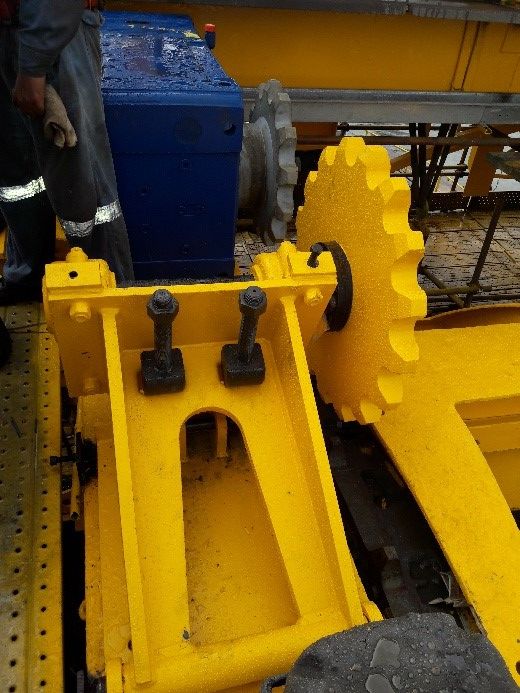
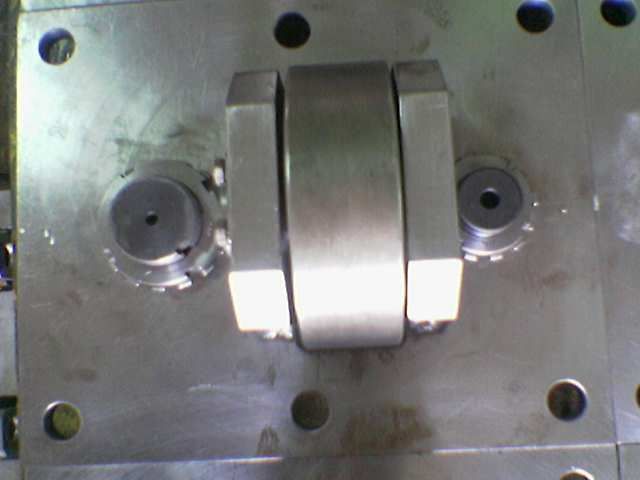
| Grey cast iron | Typically FG200 to FG300 (equivalent to GG20 to GG30) for machine bases, housings and covers |
|---|---|
| Ductile (SG) iron | Grades such as 400/15, 500/7 and 600/3 where toughness and strength are required |
| Carbon & alloy steel castings | Cast carbon steel and low-alloy grades for structural and wear applications |
| Stainless castings | CF8 and CF8M (304 and 316 equivalents) for corrosive, food and marine service |
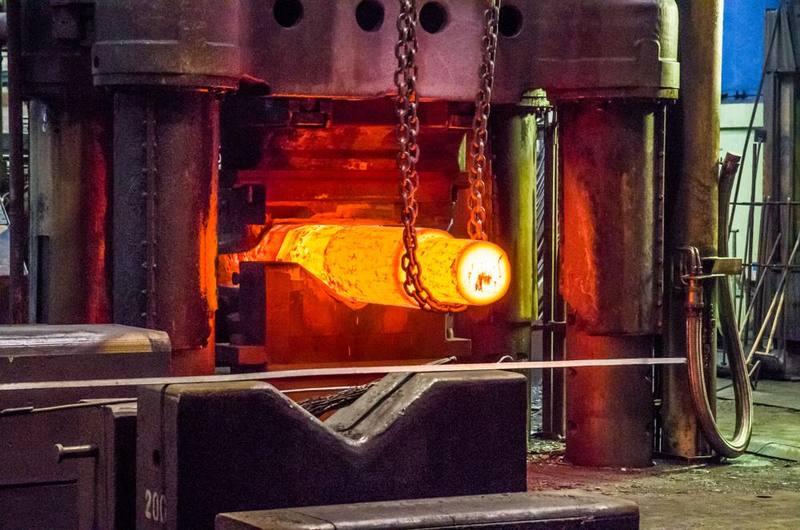
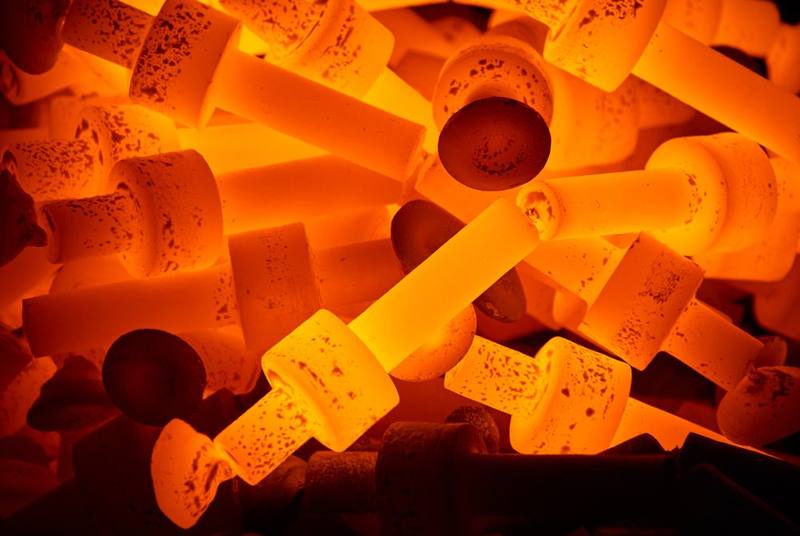
| Forging steels | EN8, EN9, EN19 (4140), EN24 (4340), case-hardening grades and stainless where required |
| Non-ferrous | Aluminium alloys, bronze and gunmetal for bushes and fittings |
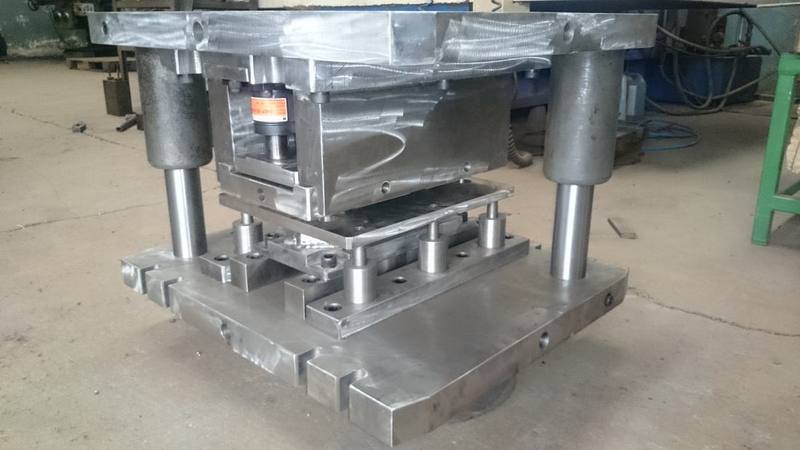
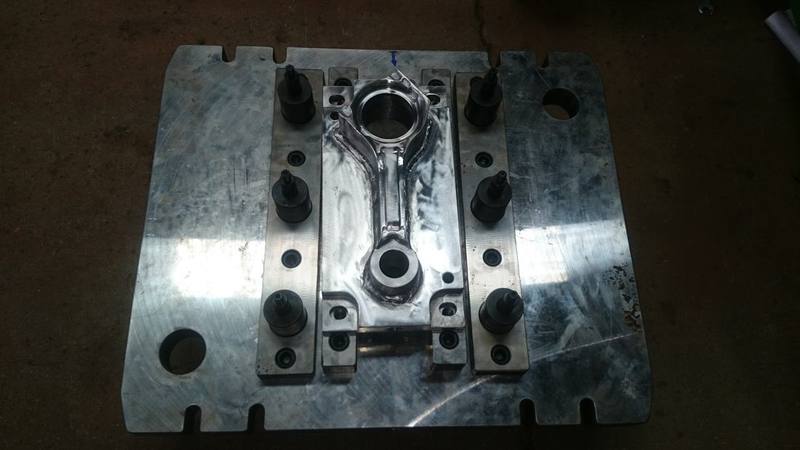
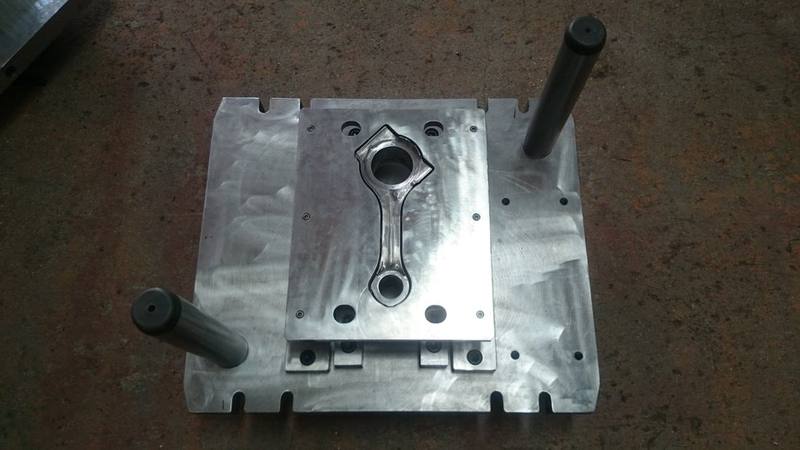
Casting and forging both require tooling, and this is the main reason they suit repeat production rather than one-off jobs. Sand casting patterns are relatively inexpensive and can often be made in wood or resin. Forging dies cost considerably more, which is why forging usually needs higher annual volumes to justify.
We quote tooling as a separate, one-off line rather than burying it in the piece price, so you can see exactly what you are paying for. Tooling you pay for remains yours, and we confirm ownership in writing at order stage. If you already own patterns or dies, they can often be transferred and used.
Chemical composition and mechanical property reports are supplied as standard against the specified grade. Depending on the application we can add:
Agree the testing regime at enquiry stage. Adding it later usually costs more and can delay a shipment.
| Typical MOQ, sand casting | Around 100 to 200 pieces once tooling exists, sometimes lower for large parts |
|---|---|
| Typical MOQ, investment casting | A few hundred pieces |
| Typical MOQ, closed die forging | Usually higher, driven by die cost and annual usage |
| Tooling lead time | 3 to 6 weeks for patterns, longer for forging dies |
| First samples | 4 to 8 weeks from tooling approval, with certificates and inspection report |
| Production | 6 to 10 weeks, plus 4 to 6 weeks sea freight to Australia |
| As-cast tolerance | Commonly ISO 8062 CT8 to CT12 depending on process; machined features to drawing |
A drawing or 3D model, the material grade or the mechanical properties you need, annual and order quantities, machining requirements, any testing or certification, and whether tooling already exists. A sample part or a photograph of the existing casting is very helpful. See the request a quote checklist.
Usually yes, quoted as a separate one-off cost. Patterns are relatively inexpensive; forging dies cost more. Tooling you pay for remains yours, confirmed in writing.
Sand castings are typically viable from around 100 to 200 pieces once tooling exists, investment castings from a few hundred. Forgings usually need higher volumes. Send the drawing and annual usage and we will confirm.
Yes, and that is how most of our casting work is supplied. You receive a finished component with one inspection report and one landed price.
Chemical and mechanical reports are standard. Hardness, dye penetrant, magnetic particle, ultrasonic, radiographic and pressure testing can be added where the application requires it.
Often yes. Send the sample part or a detailed photograph with key dimensions and we will assess whether a pattern can be made from it.