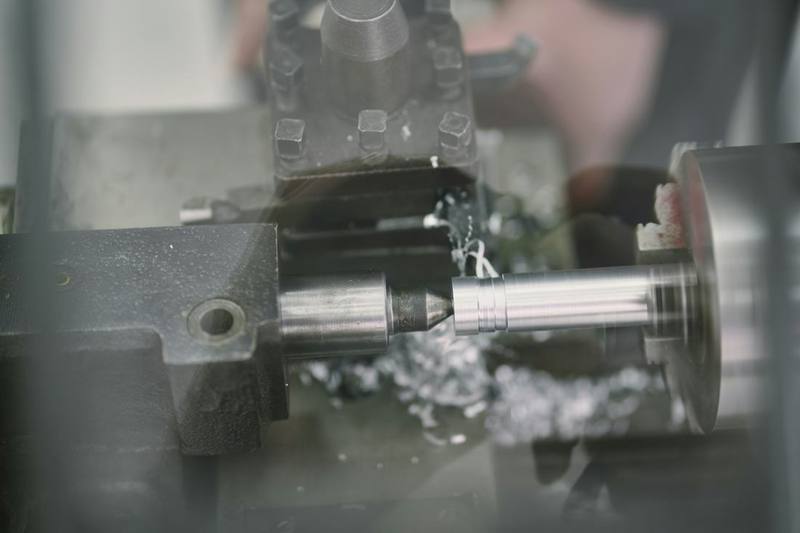
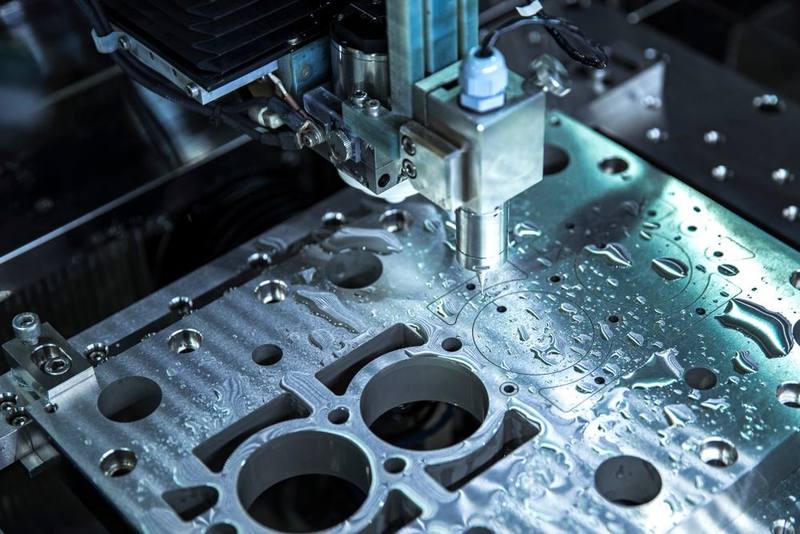
We supply CNC turned and milled components to Australian manufacturers, distributors and OEMs. Parts are made to your drawing by audited machining partners in India, inspected against the drawing before dispatch, and delivered to your facility at one landed price.
Our core work is medium-to-high accuracy production machining of engineered parts, rather than one-off prototyping. Typical components include:
| Carbon & alloy steel | Mild steel, EN8 (1040), EN9, EN19 (4140), EN24 (4340), case-hardening grades such as EN36 |
|---|---|
| Stainless steel | 304, 316 and 316L for food, marine and corrosive service; 410 and 431 where higher strength is needed |
| Cast iron | Grey iron and SG (ductile) iron castings, machined to drawing |
| Aluminium | 6061, 6082 and casting alloys for lightweight housings and brackets |
| Engineering plastics | Nylon, UHMWPE, acetal and PTFE for wear pads, guides and rollers |
| Bronze & brass | Bushes, bearing components and fittings |
Most drawings we quote are held to ISO 2768 medium or fine for general dimensions, with specific tolerances called out on critical features. On turned diameters and ground surfaces we typically work to around 0.02 mm where the drawing requires it. Surface finishes are commonly specified between Ra 1.6 and Ra 3.2, with finer finishes available on request.
Secondary processes are handled in the same supply chain, including heat treatment and case hardening, zinc plating, black oxide, anodising, powder coating and hot-dip galvanising. If your part needs a treatment we have not listed, ask us.
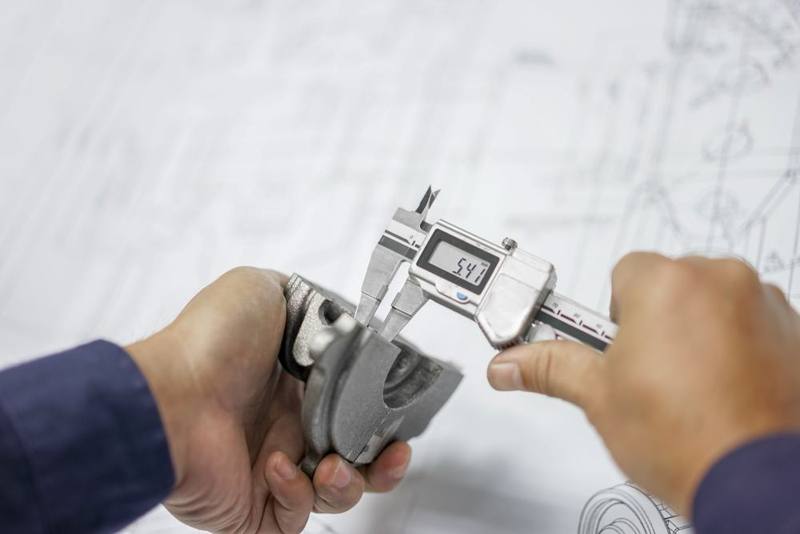
Every machining partner is audited before we place work with them. Production is checked in process, and again before dispatch, against the drawing and an agreed inspection plan. Documentation supplied with the order normally includes mill test certificates for the material, a dimensional inspection report, and photographs of the packed goods.
We are set up for repeat production rather than single prototypes. Simple turned components are usually viable from a few hundred pieces; larger machined fabrications can be worthwhile in much smaller batches. As a working guide:
| Quotation | 3 to 7 business days from receiving a complete drawing pack |
|---|---|
| First-article samples | 2 to 4 weeks, with material certificates and an inspection report |
| Production | 4 to 8 weeks depending on complexity, quantity and finish |
| Sea freight to Australia | Typically 4 to 6 weeks port to port, plus customs and local delivery |
| Air freight | 5 to 10 days for urgent or low-volume shipments |
These are indicative. We confirm real dates with your quotation, and we would rather give you an honest lead time than an optimistic one.
A 2D drawing (PDF or DWG) or 3D model (STEP or IGES), the order quantity and expected annual usage, material and grade, critical tolerances and surface finish, any coating or heat treatment, and your target delivery date and destination. If you only have a sample part or a photograph, send that and we will work the rest out with you. The request a quote checklist sets this out in full.
General machining is held to ISO 2768 medium or fine. Where a drawing calls for closer control we quote against the specific feature, typically down to around 0.02 mm on turned diameters and ground features. Tell us which dimensions are critical and we will confirm before quoting.
It depends on the part. Simple turned components are usually viable from a few hundred pieces, while larger machined fabrications can be worthwhile in much smaller batches. Send the drawing and your annual usage and we will confirm the practical minimum.
Allow 3 to 7 business days for quotation, 2 to 4 weeks for first-article samples, and 4 to 8 weeks for production depending on complexity. Sea freight typically adds 4 to 6 weeks, air freight 5 to 10 days.
Yes. We supply mill test certificates for the material and dimensional inspection reports against the drawing. On larger runs we inspect by lot in line with an agreed inspection plan.
Yes. We can source the casting or forging and finish machine it, or machine blanks you already have supplied into the programme.