We supply galvanised steel fabrications, brackets, frames and hardware for Australian conditions, coated to AS/NZS 4680 and delivered with coating thickness readings. Galvanising is done as part of manufacture, so you receive a finished, corrosion-protected component rather than organising coating yourself.
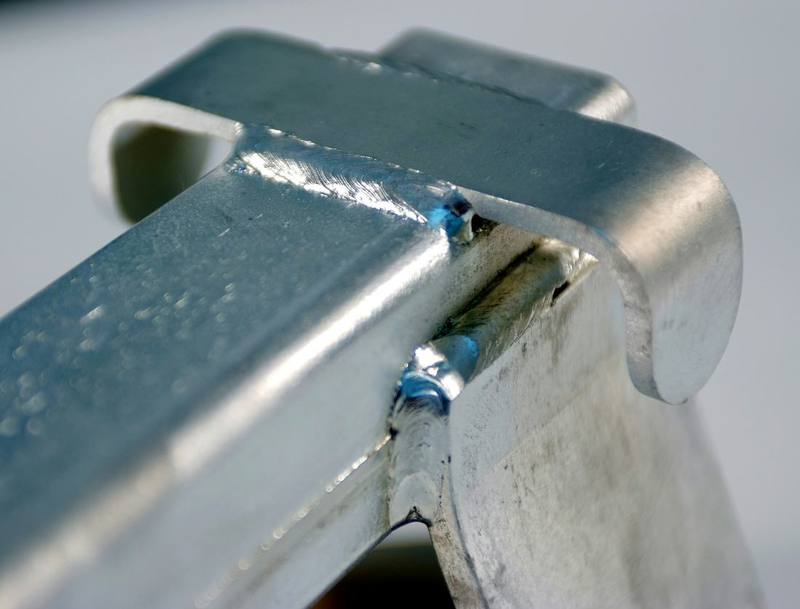
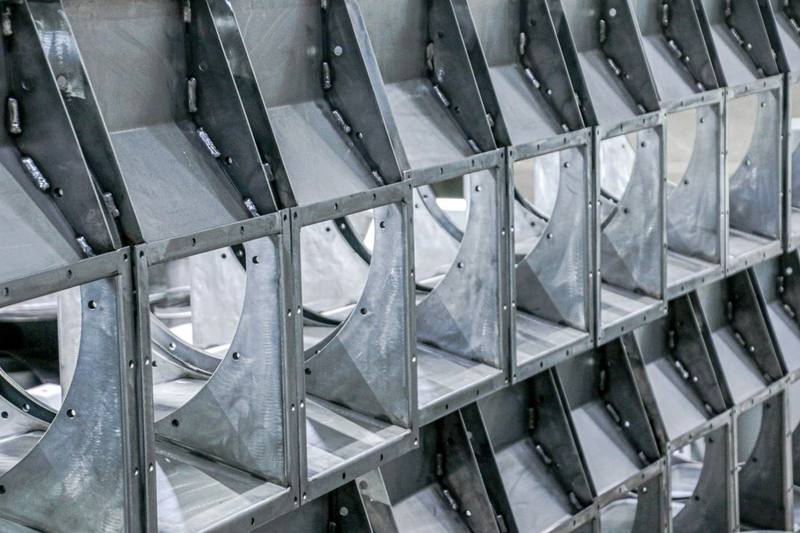

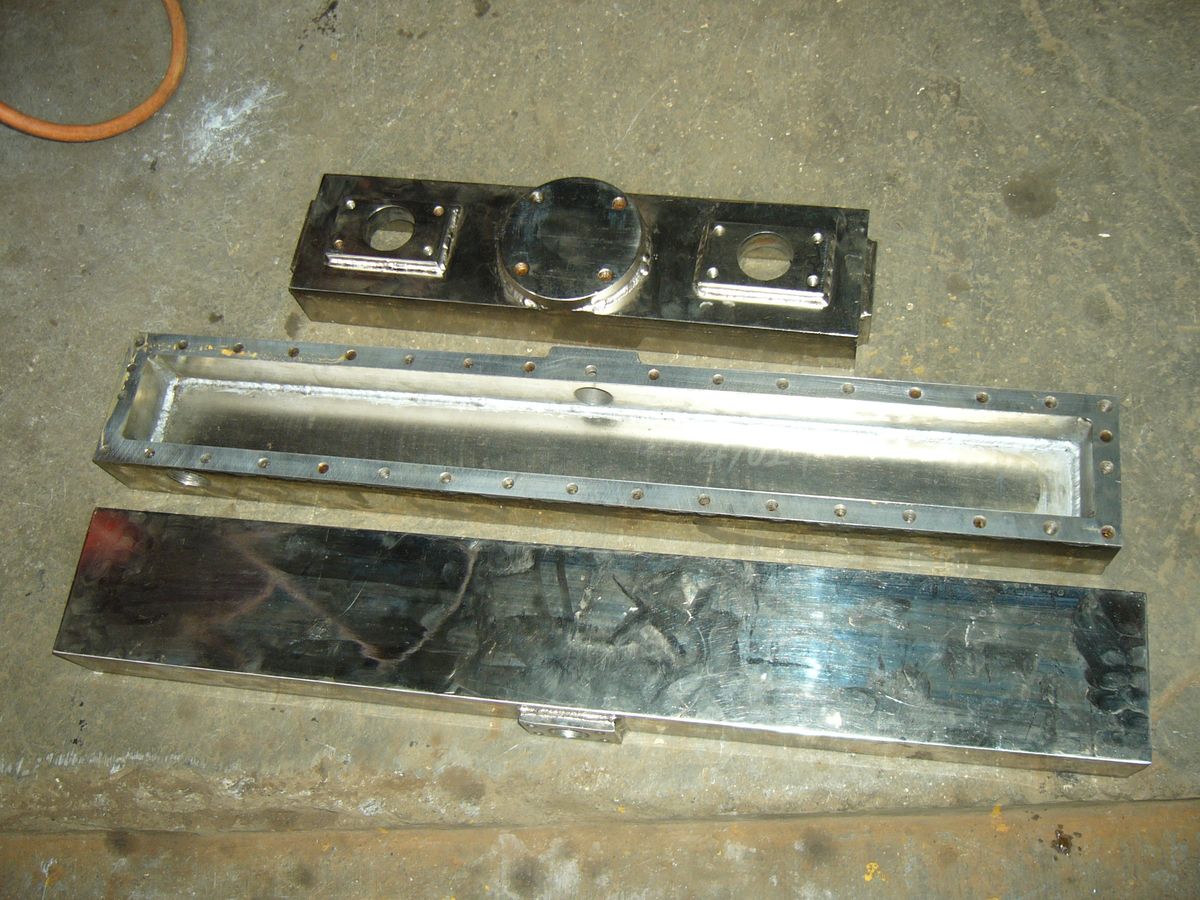
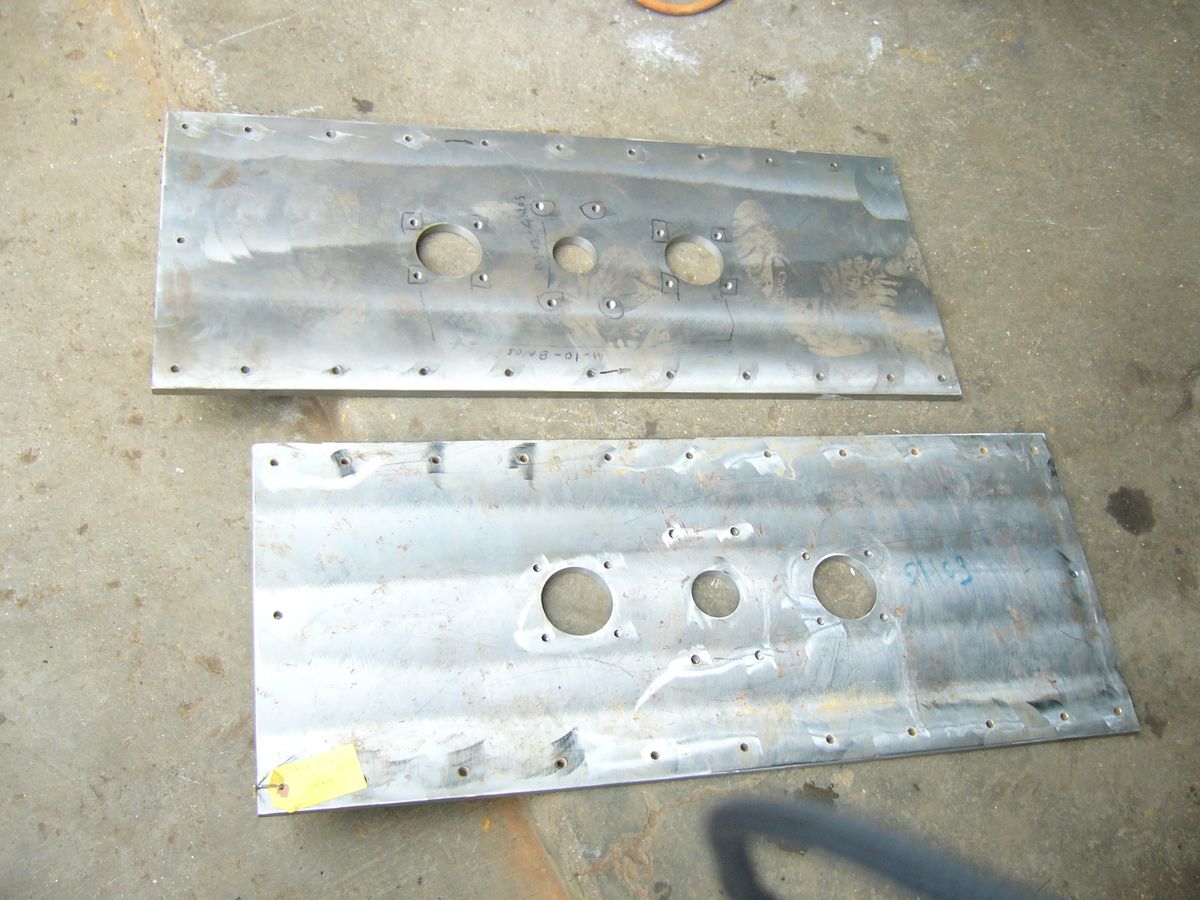
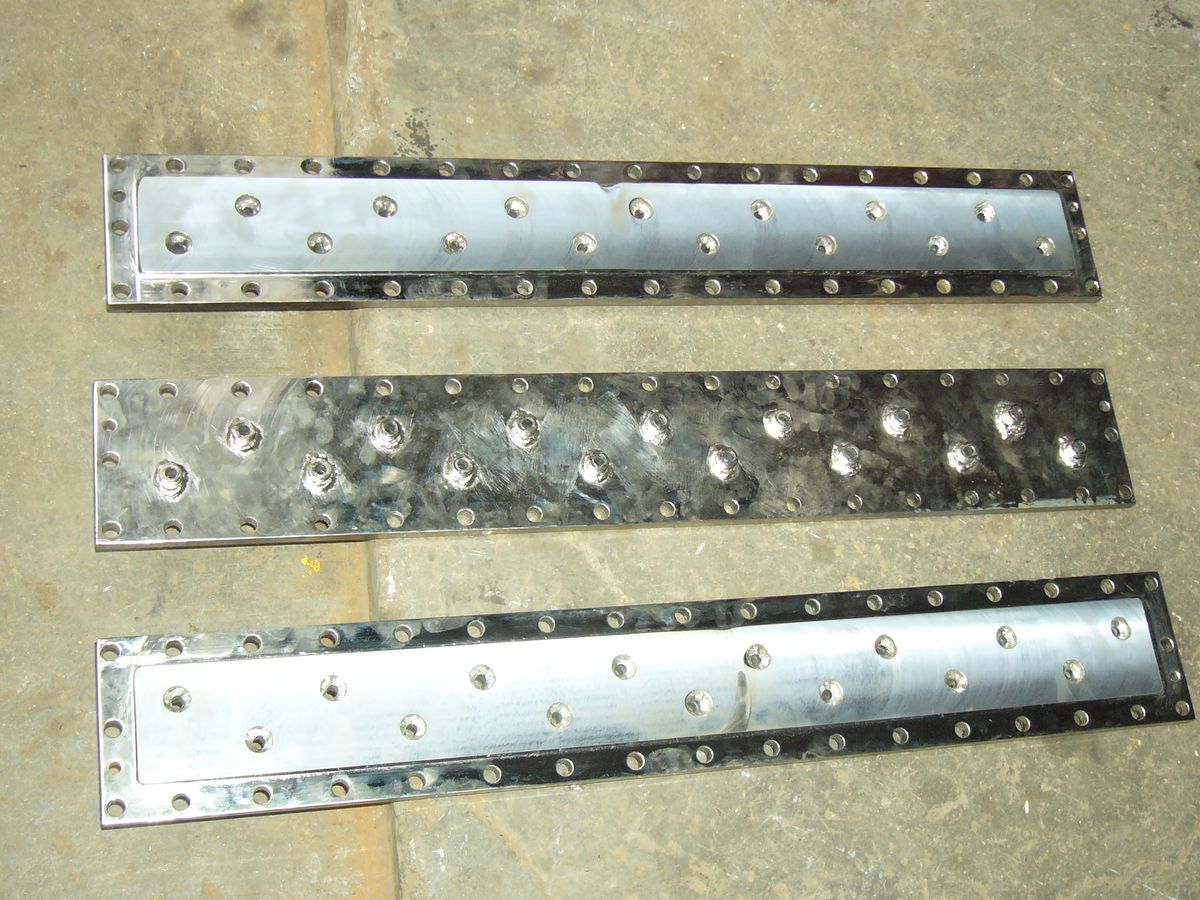
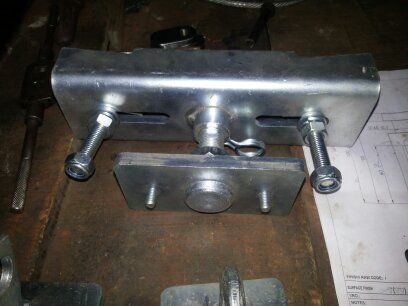
| Hot dip galvanising | To AS/NZS 4680. Thick, metallurgically bonded zinc coating for outdoor, structural and long-life service. The standard choice for Australian conditions. |
|---|---|
| Centrifuge (spun) galvanising | For threaded items and small components, where excess zinc is spun off to keep threads usable. |
| Zinc electroplating | Thinner, brighter coating for indoor fasteners and light hardware. Clear, yellow or black passivate available. |
| Zinc-nickel & Dacromet type | Higher corrosion resistance on fasteners where hydrogen embrittlement is a concern. |
| Powder coating | Applied alone or over galvanising as a duplex system for appearance plus protection. |
| Paint systems | Shot blast to Sa 2.5 with primer and two-pack topcoat to a specified dry film thickness. |
Required coating thickness depends on the thickness of the steel being coated. As a working guide for average coating thickness:
| Steel under 1.5 mm | Around 45 microns |
|---|---|
| 1.5 mm to 3 mm | Around 55 microns |
| 3 mm to 6 mm | Around 70 microns |
| Over 6 mm | Around 85 microns |
We supply coating thickness readings with the shipment, along with material certificates for the steel. If your project specifies a different standard or a higher coating mass, tell us at enquiry stage and we will confirm feasibility before quoting.
Most galvanising defects come from part design rather than the coating process itself. We review drawings for these before production:
| Quotation | 3 to 7 business days from a complete drawing pack |
|---|---|
| First article | 3 to 5 weeks including coating thickness report |
| Production | 5 to 9 weeks depending on quantity and complexity |
| Sea freight to Australia | Typically 4 to 6 weeks port to port, plus customs and delivery |
Fabrication drawings with material grades and plate thicknesses, the coating specification (standard, coating mass or microns, and any duplex paint system), quantity, and delivery destination. Note any threads, machined faces or bores that must remain free of zinc. See the request a quote checklist.
To AS/NZS 4680, based on steel section thickness: roughly 45 microns under 1.5 mm, 55 microns for 1.5 to 3 mm, 70 microns for 3 to 6 mm and 85 microns above 6 mm. Thickness readings are supplied with the shipment.
Hot dip galvanising gives a much thicker, tougher coating for outdoor and structural use. Zinc plating is thinner and suited to indoor fasteners and light hardware. For coastal or agricultural conditions, hot dip galvanising is usually correct.
Yes. Duplex systems (galvanising plus paint or powder coat) give the longest service life. Tell us at enquiry stage so the surface is prepared correctly.
Threads are tapped oversize or chased after coating, and machined faces are masked or machined after galvanising. Flag these on the drawing.
Service life depends on coating thickness and environment. In benign inland conditions a well-galvanised coating can last decades; in severe marine environments it is shorter, which is when a duplex system is worth considering.